
Victor joined the group as a master's student in 2026, working on coherent-state packing and exact diagonalization in Landau levels. He is now a PhD student with Johannes Mitscherling at the University of Würzburg.
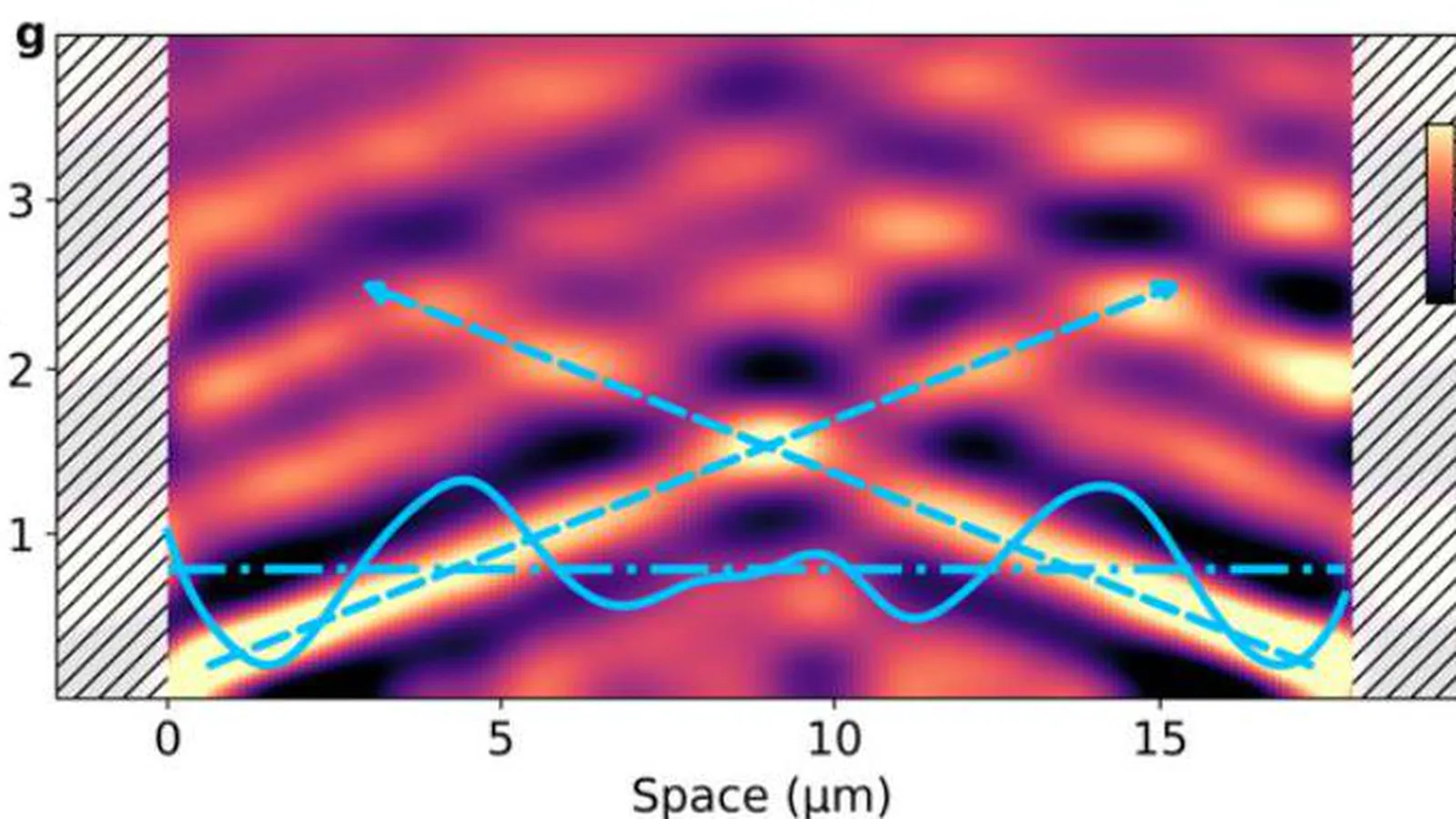
We worked with the Basov Laboratory to trace interaction-enhanced plasmon dynamics and Drude weight in graphene. The preprint is available on arXiv.
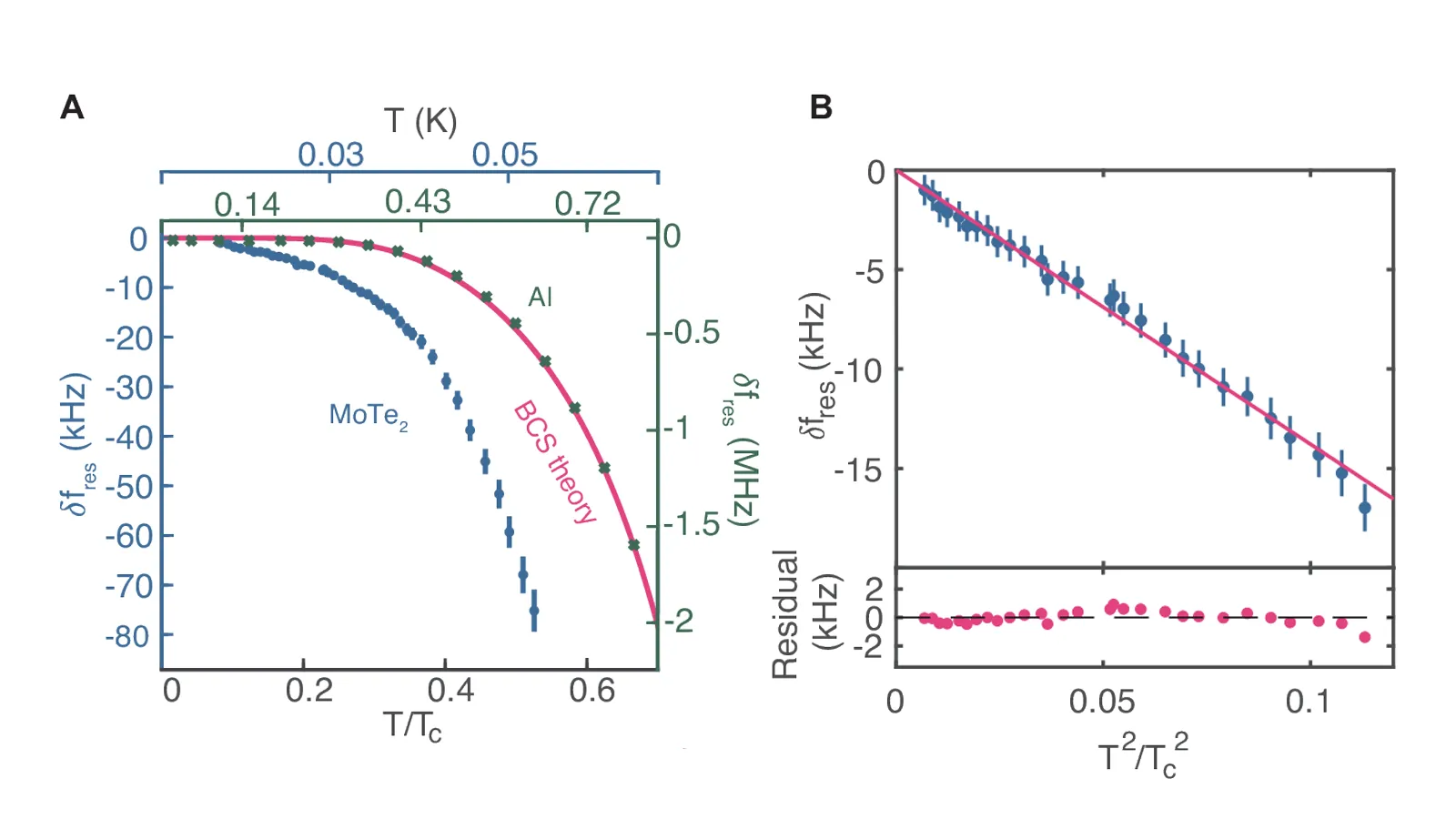
We worked with Kin Chung Fong’s group to use kinetic inductance as a probe of unconventional superconductivity in Weyl-semimetal MoTe2. The preprint is available on arXiv.
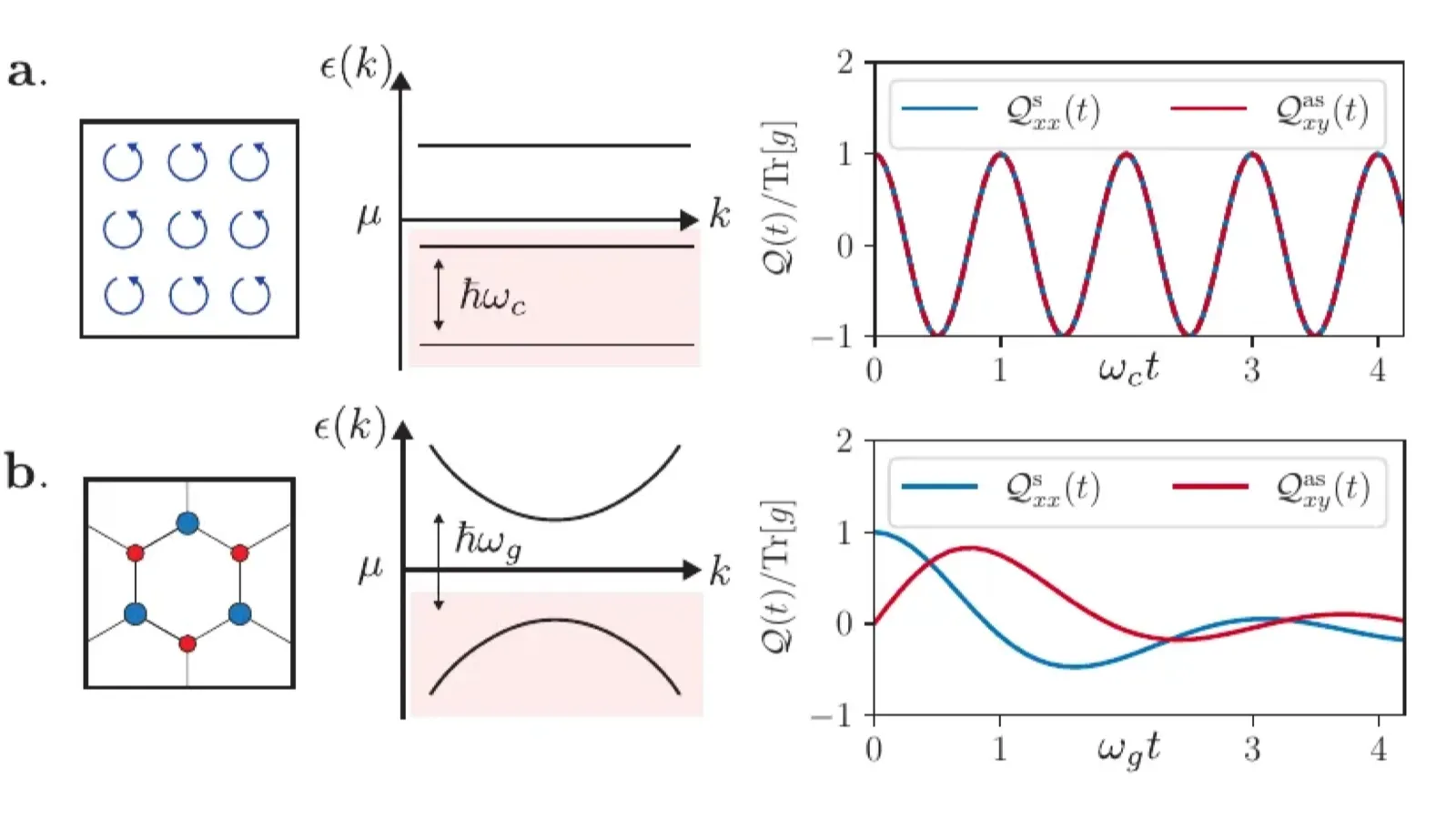
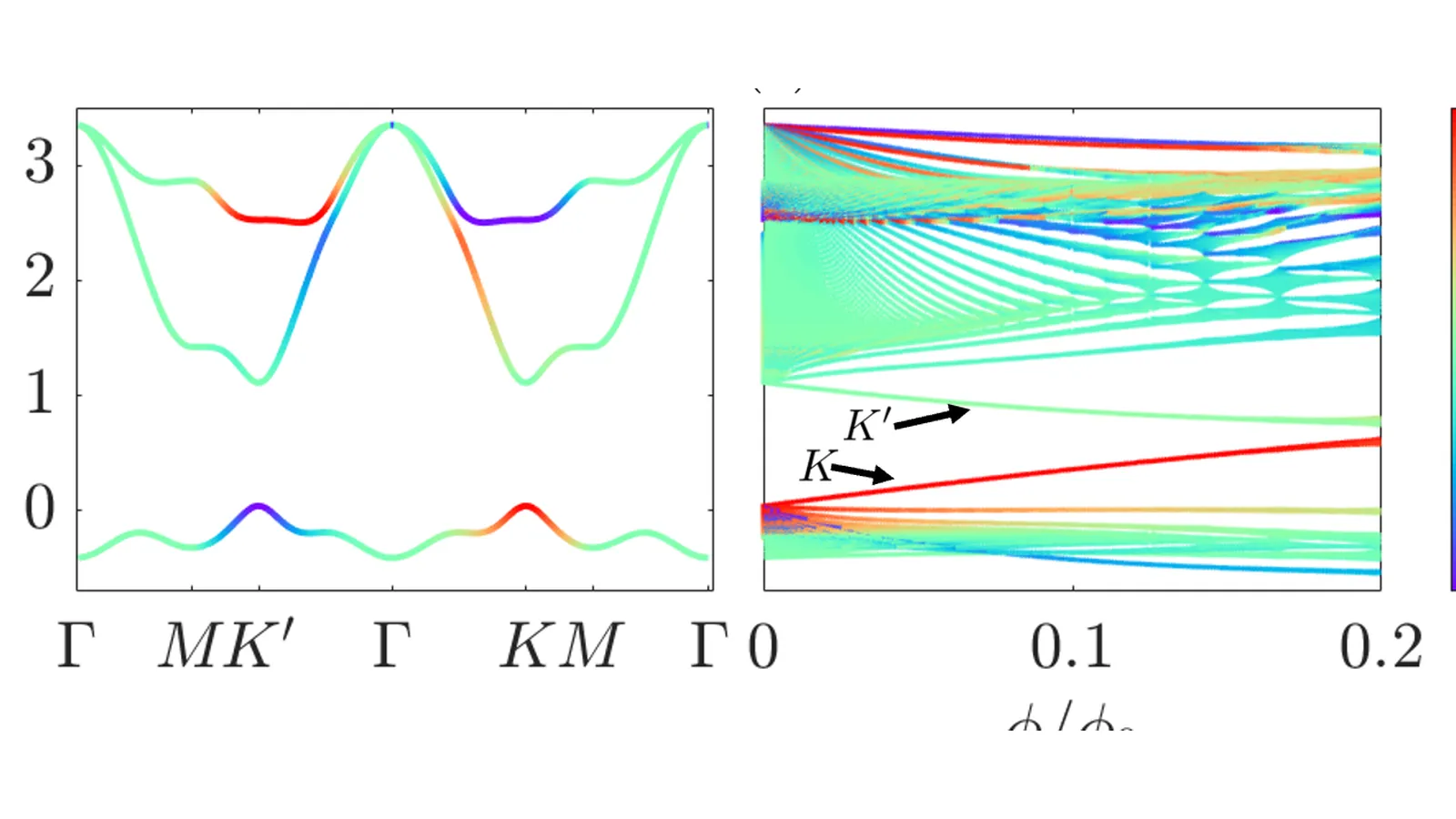
Our manuscript uncovers a cyclic organization of Landau levels in transition-metal dichalcogenide semiconductors and is now on arXiv.
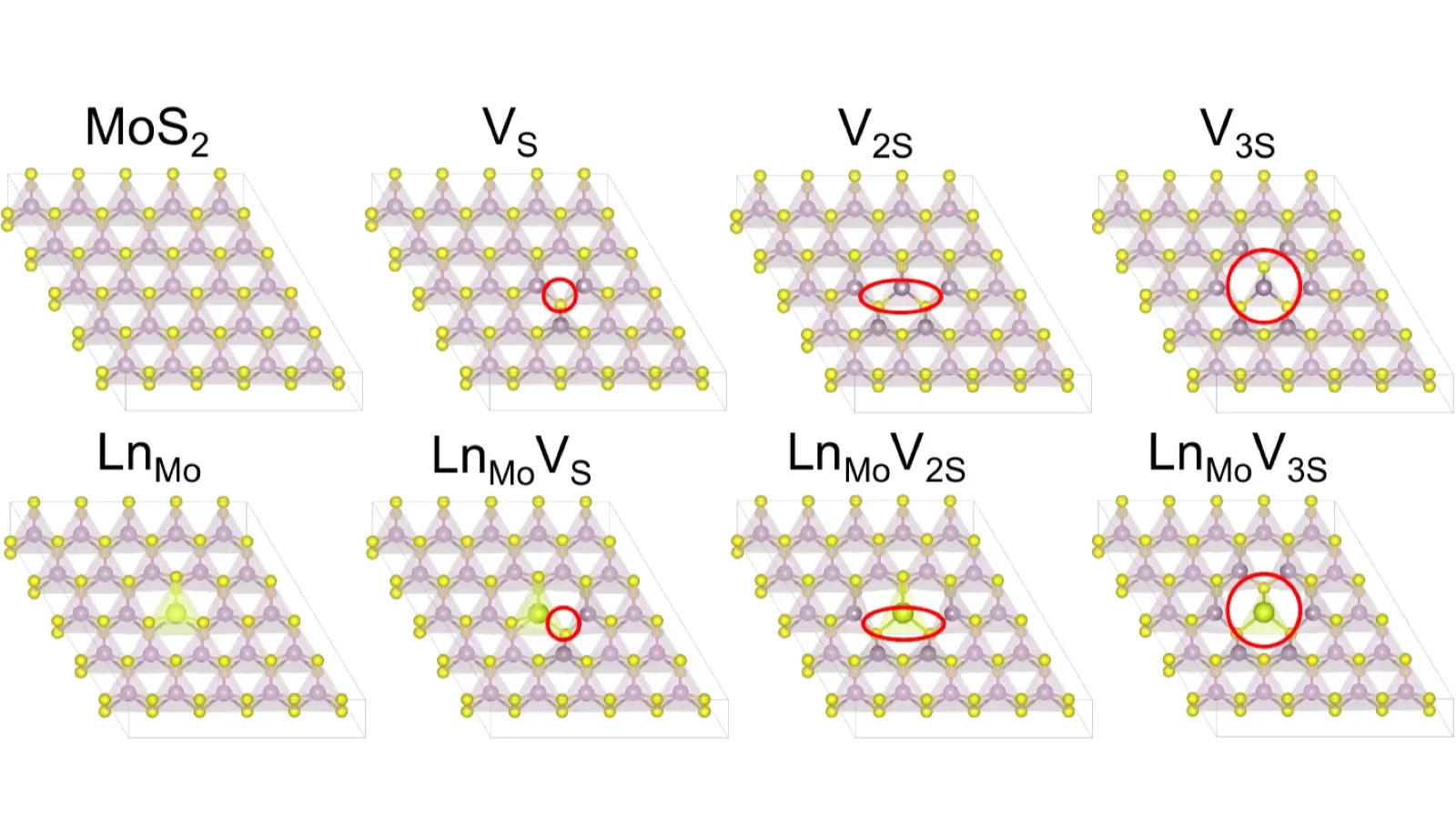
We worked with Lukas Muechler’s group to show how lanthanide dopants reshape the electronic and optical properties of MoS2. The work is published in Physical Review B.
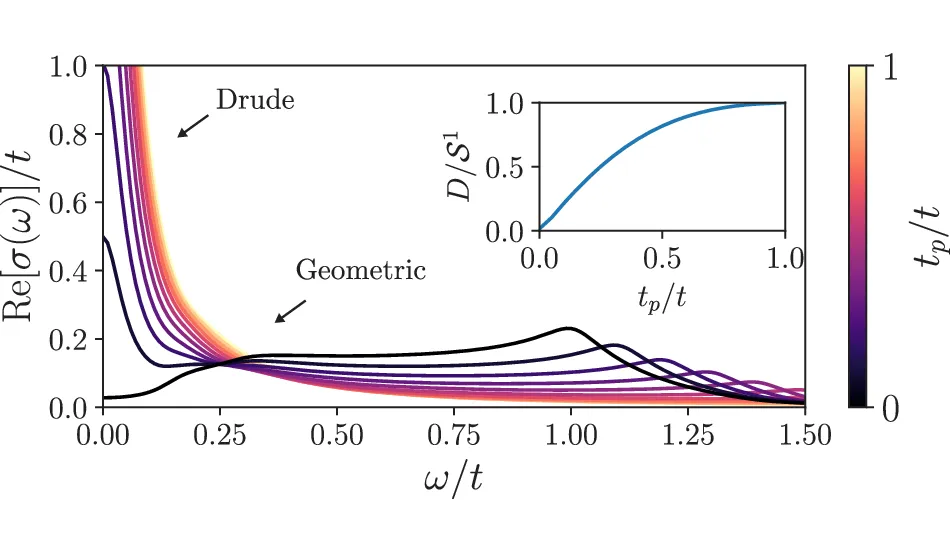
Read Raquel’s review with Jiabin Yu, Andrei Bernevig, Enrico Rossi, Päivi Törmä, and Bohm-Jung Yang on how quantum geometry controls optical response, flat bands, superfluid weight, and fractional Chern phases. The review is published in npj Quantum Materials.
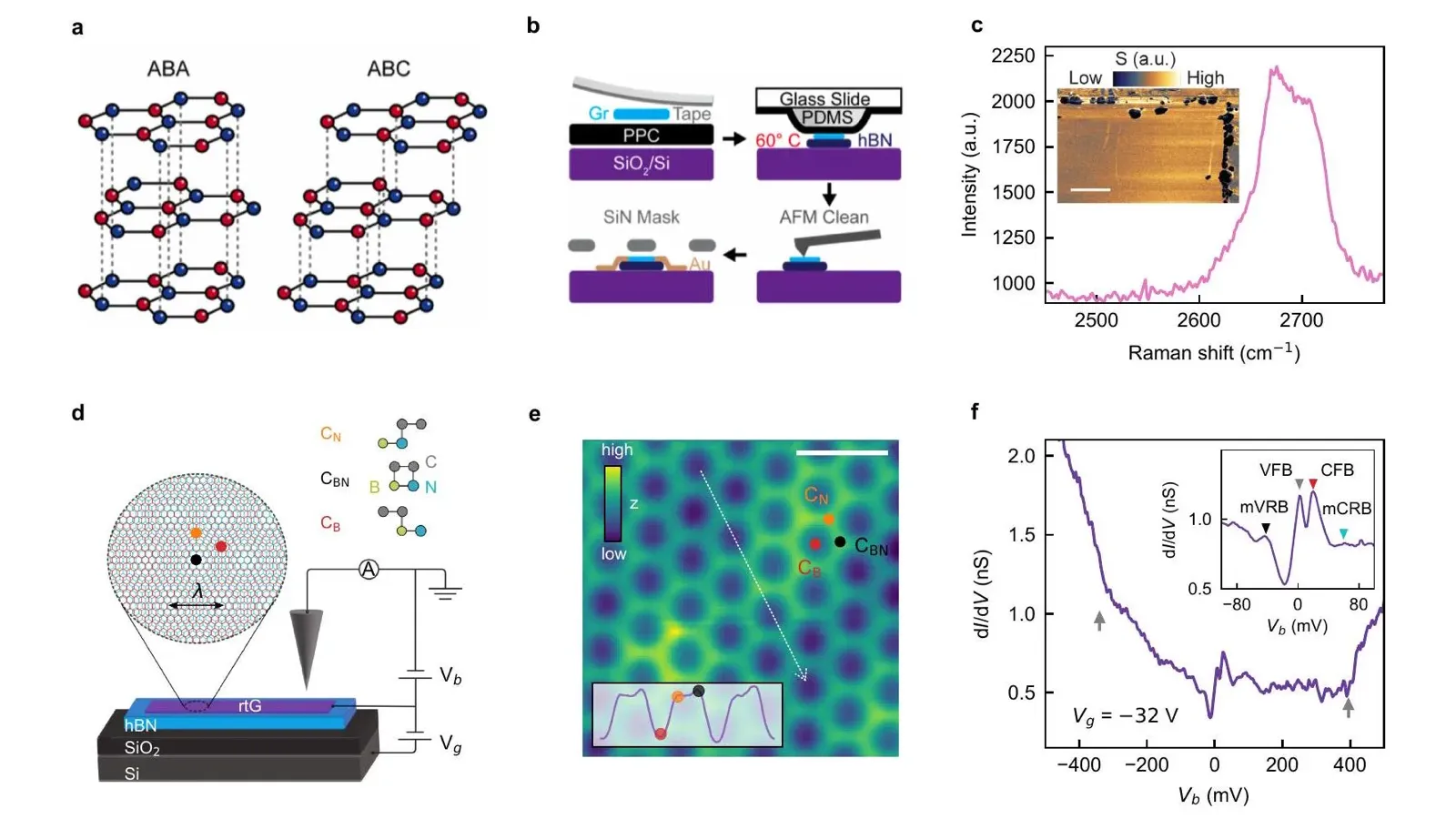
We worked with the Pasupathy Research Group to map the moiré potential in multilayer rhombohedral graphene. The preprint is available on arXiv.
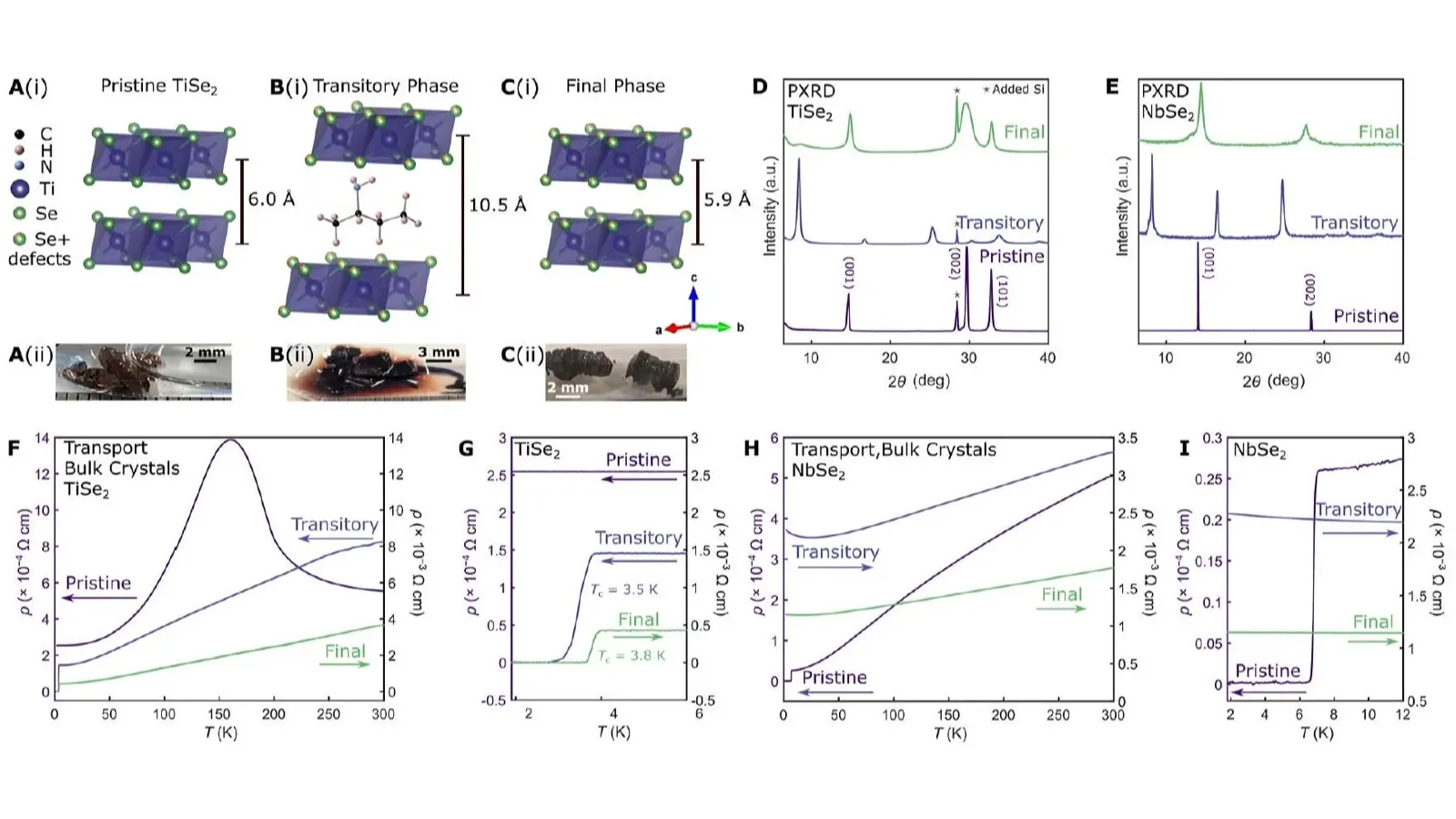
We worked with the Roy Research Group to develop a sacrificial-intercalant strategy that tunes carrier density and electronic phases while preserving the van der Waals structure. The work is published in the Journal of the American Chemical Society.
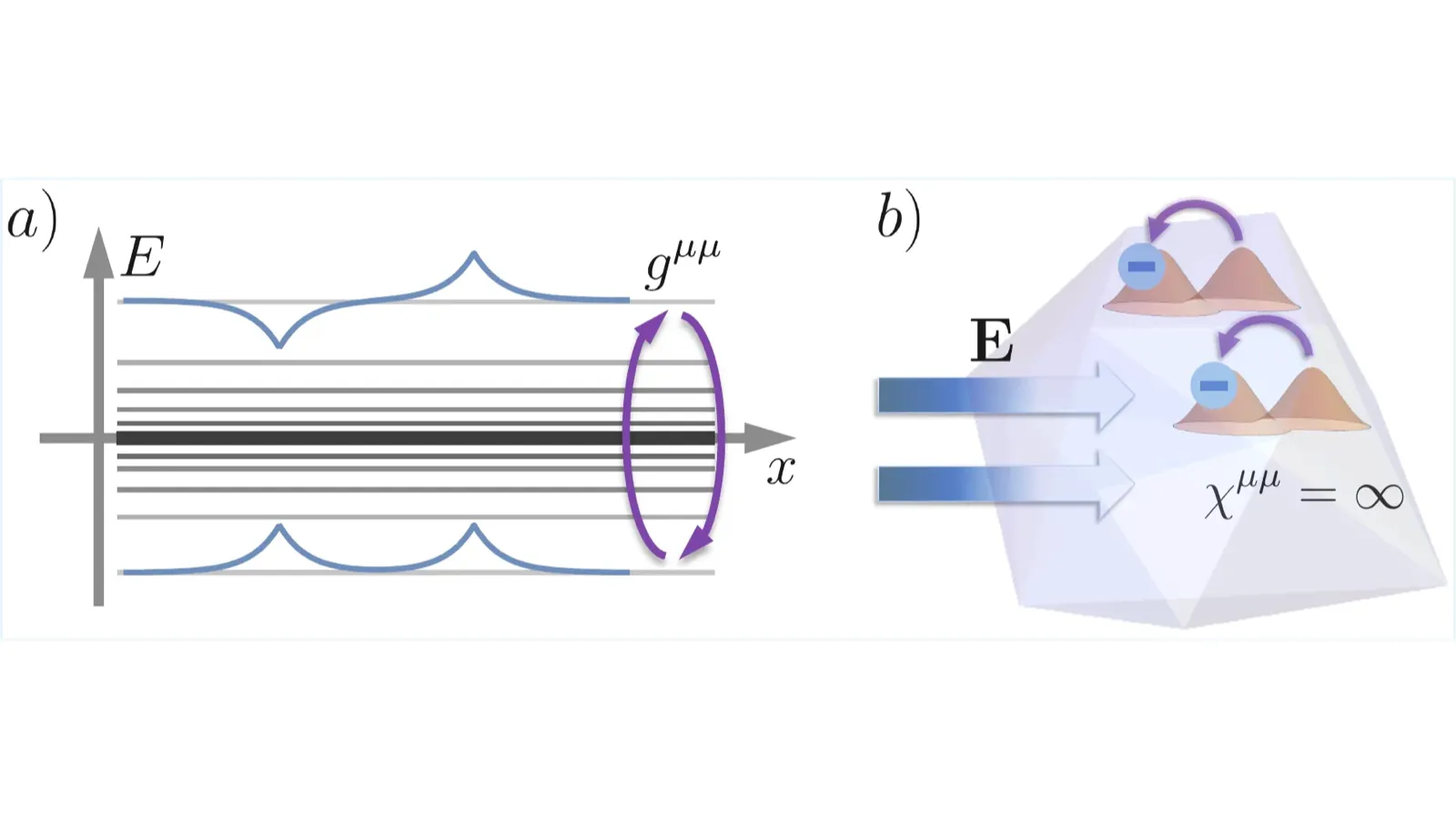
Ilia, working with Tobias Holder, shows how disorder can generate perfect screening in an electrically insulating state. The preprint is available on arXiv.
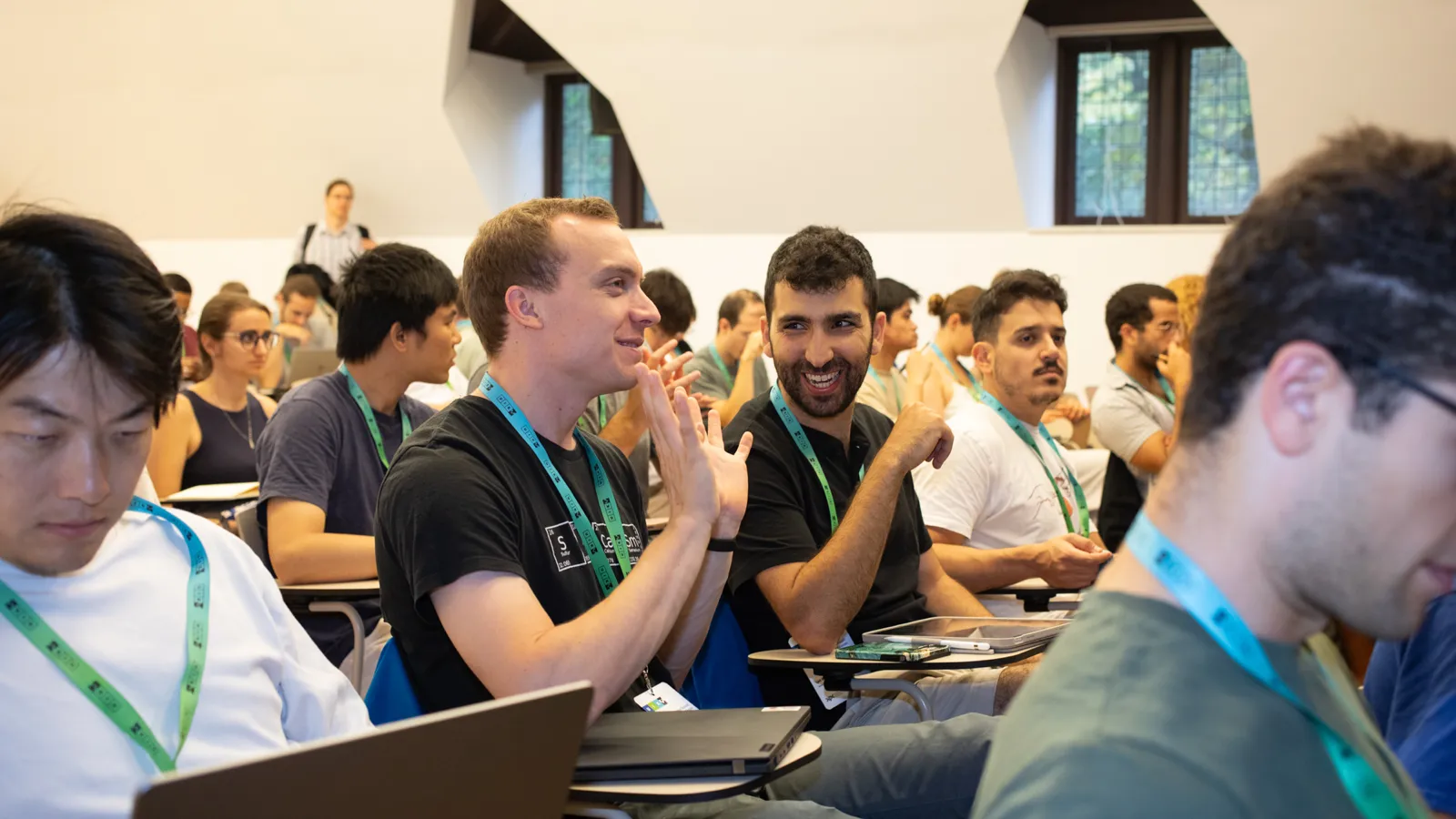
Raquel gave two lectures at the 2025 Topological Matter School in San Sebastián, introducing quantum geometry and topology in crystalline systems.
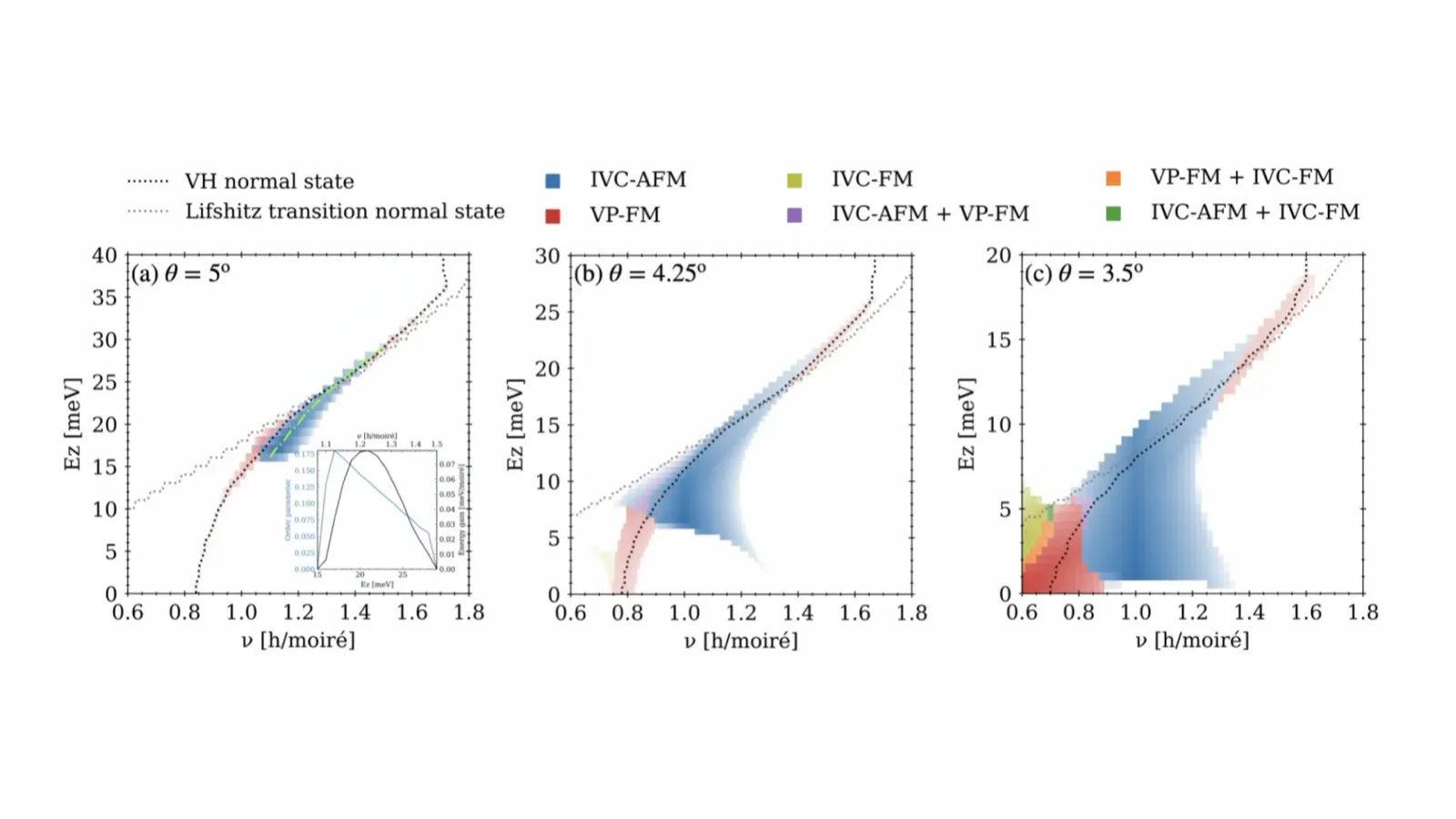
Daniel worked with Andrew Millis and Valentin Crépel to map the twist-angle evolution of the intervalley-coherent antiferromagnet in twisted WSe2. The work is published in Physical Review B.