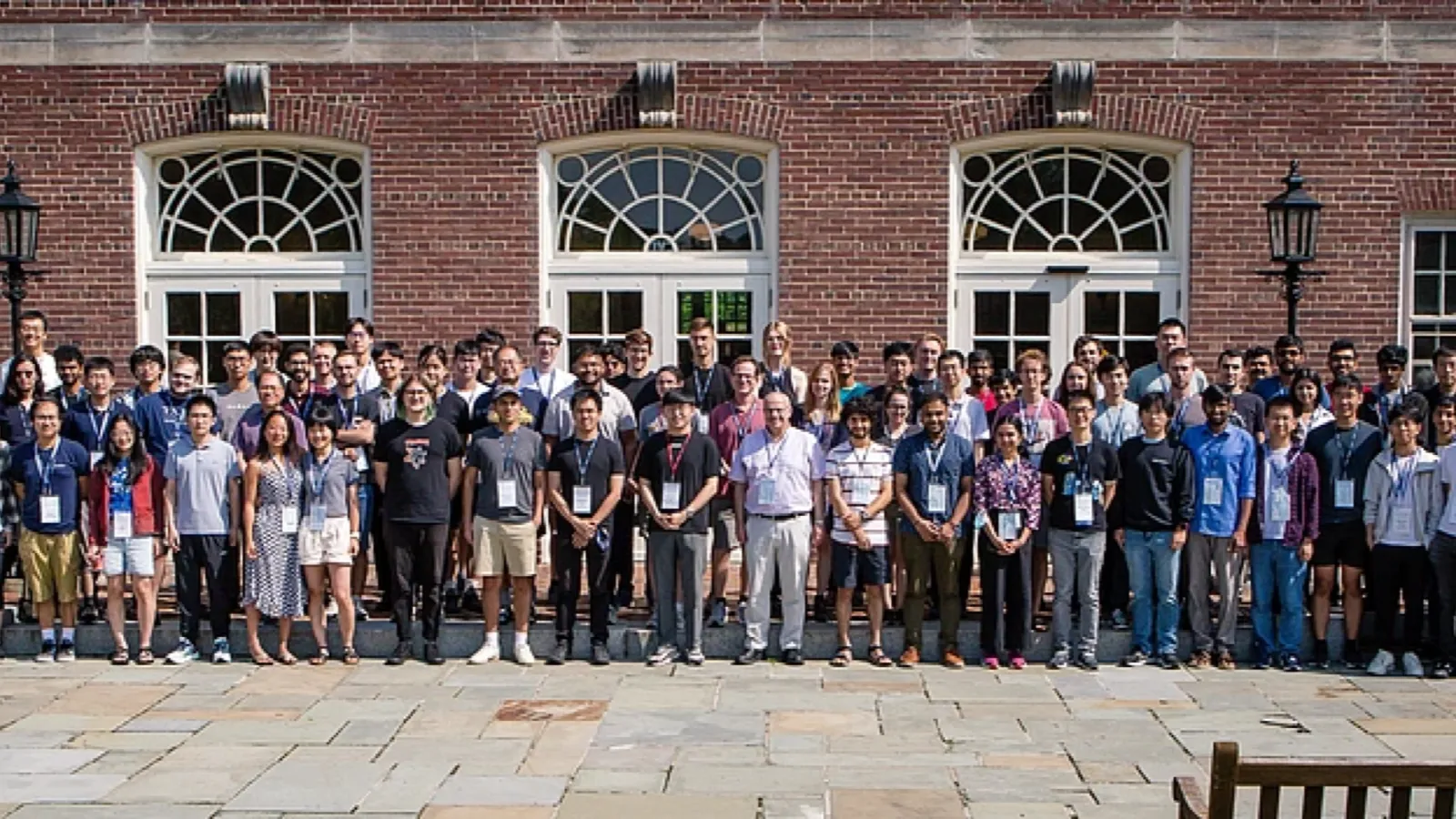
Raquel's lecture at the 2024 IAS Prospects in Theoretical Physics program connects the quantum geometry of Bloch states to linear-response observables.
Julian began his Columbia postdoctoral appointment after first working with the group as a visiting student. He studies topological matter, moiré transition-metal dichalcogenides, unconventional superconductivity, and quantum materials.
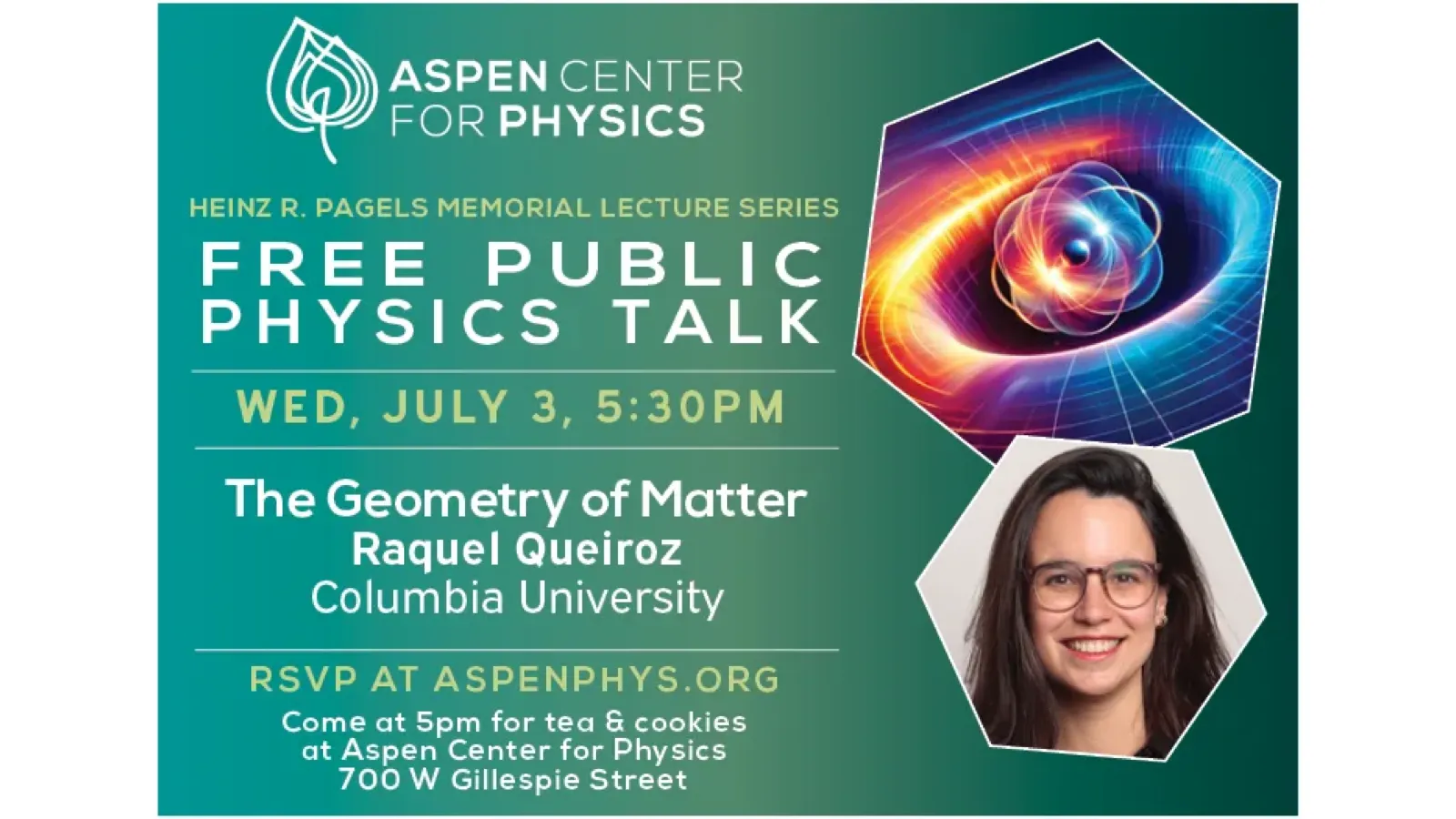
A public lecture on how geometry organizes quantum matter, recorded at the Aspen Center for Physics. Listen to the audio from Aspen Public Radio or watch the video.
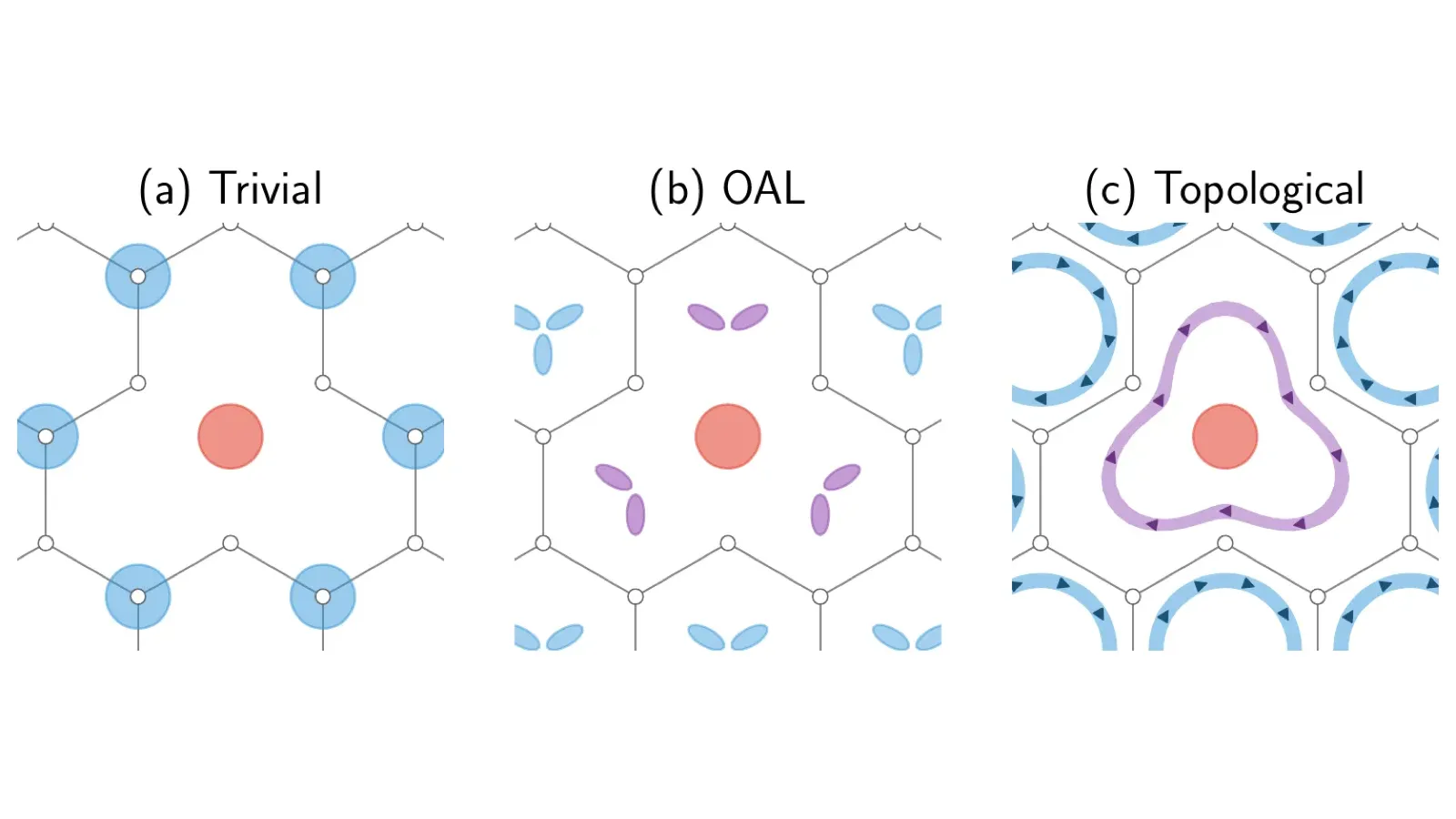
We worked with Zhida Song, Ady Stern, and Andrei Bernevig to show that strong local impurities can generate in-gap ring states pinned by zeros of the impurity-projected Green function; their protection follows from the Wannier obstruction of the topological bands.
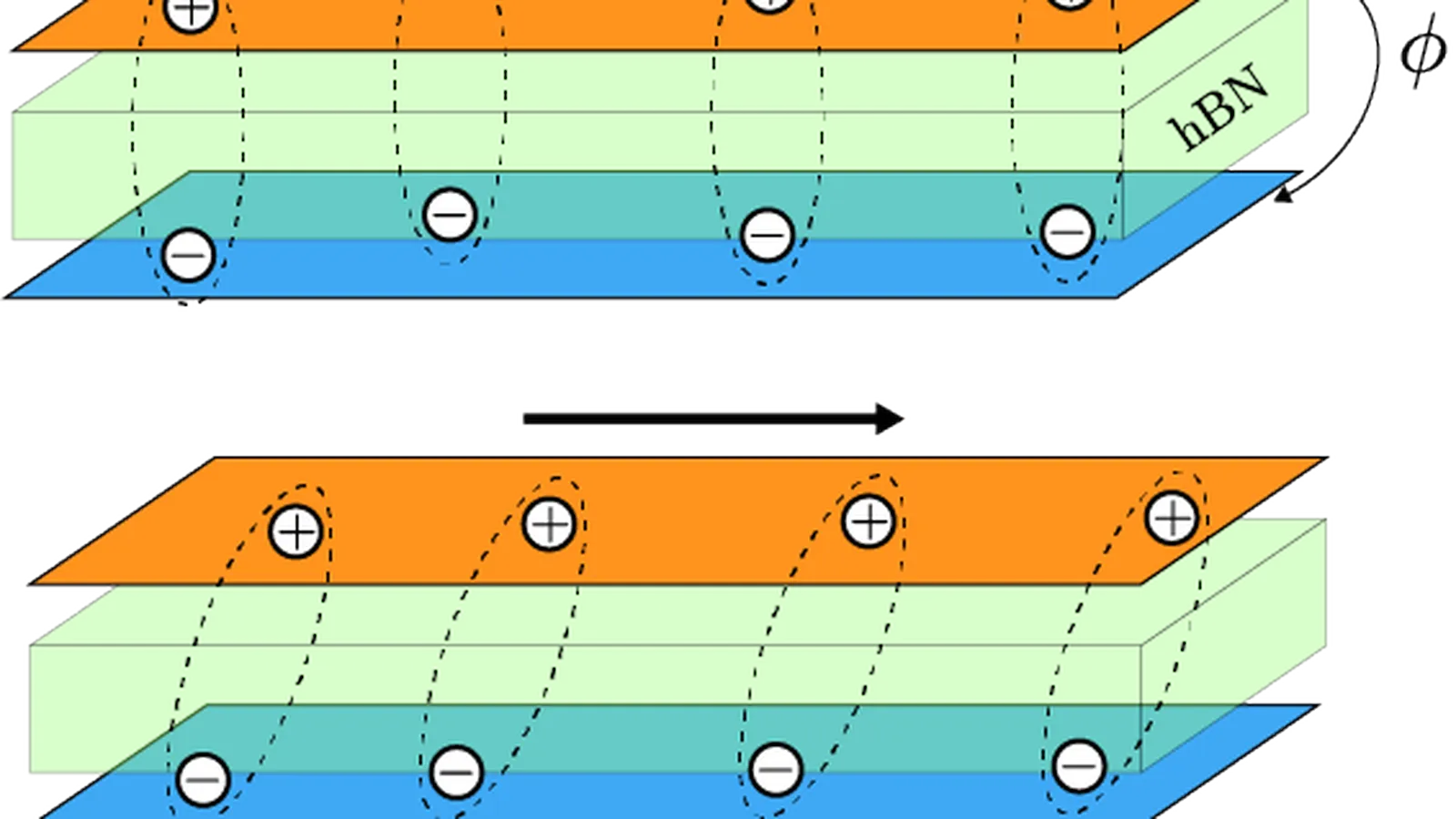
Nish worked with Daniele Guerci to show that the quantum metric can dominate the phase stiffness of an interlayer exciton condensate and enhance its transition temperature. The work is published in Physical Review Letters.
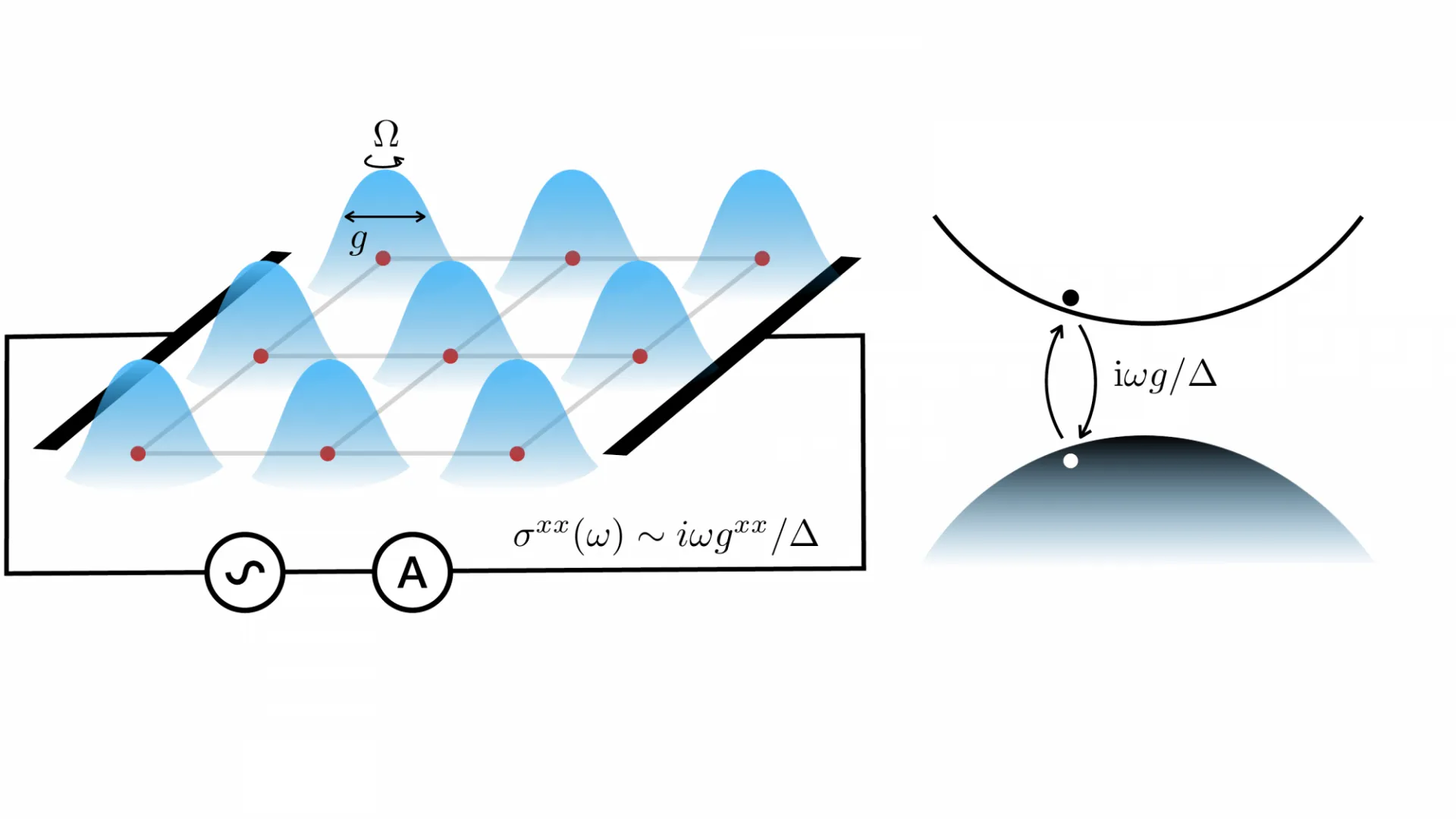
Ilia worked with Tobias Holder to show that an insulator's intrinsic capacitance is set by the quantum metric and the spectral gap, turning a familiar electrical response into a probe of wavefunction geometry. The work is published in Nature Communications.
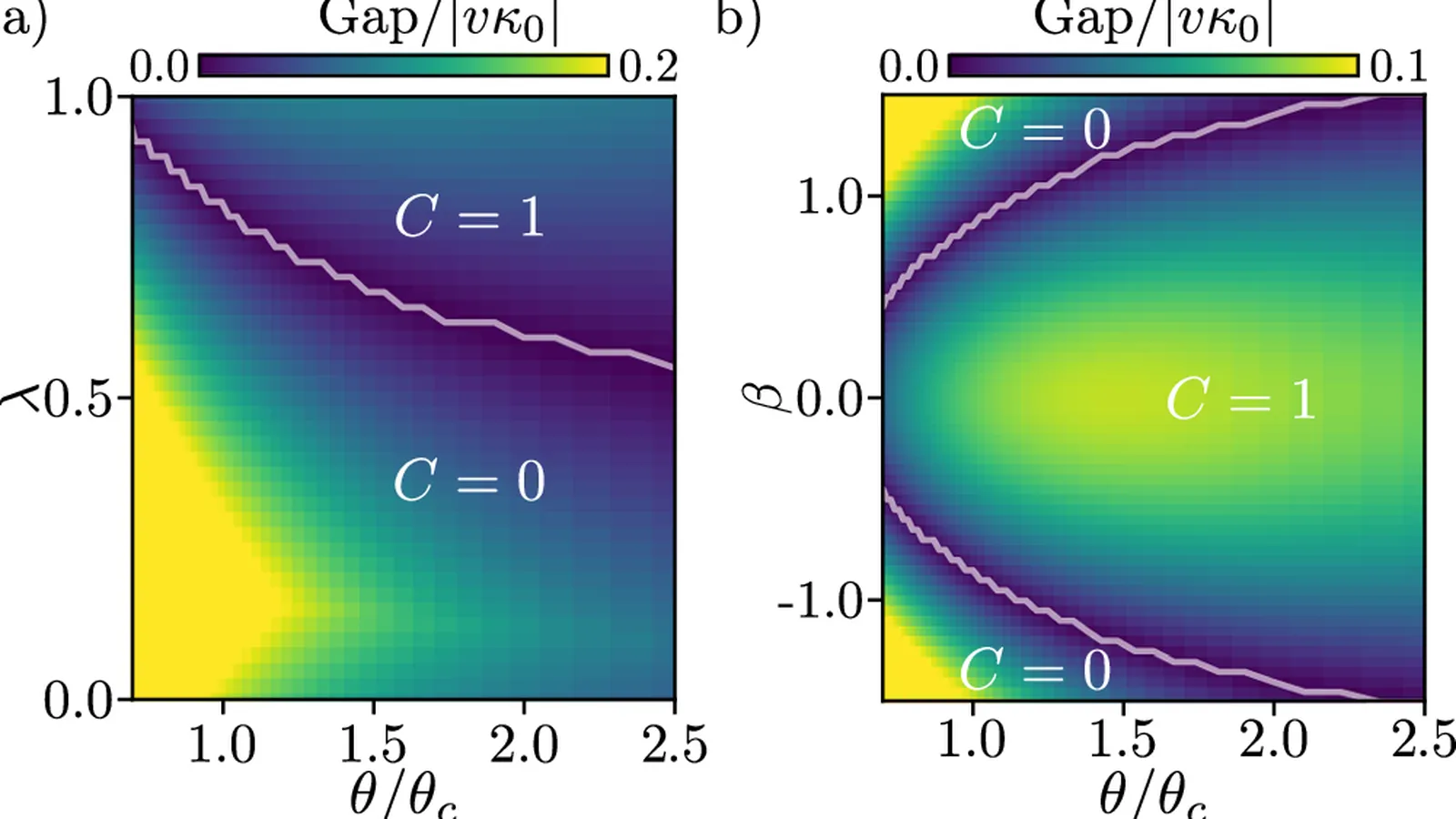
We worked with Valentin Crépel and Nicolas Regnault to identify a chiral limit for twisted transition-metal dichalcogenide homobilayers and explain the origin of their topological flat bands. The work is published in Communications Physics.
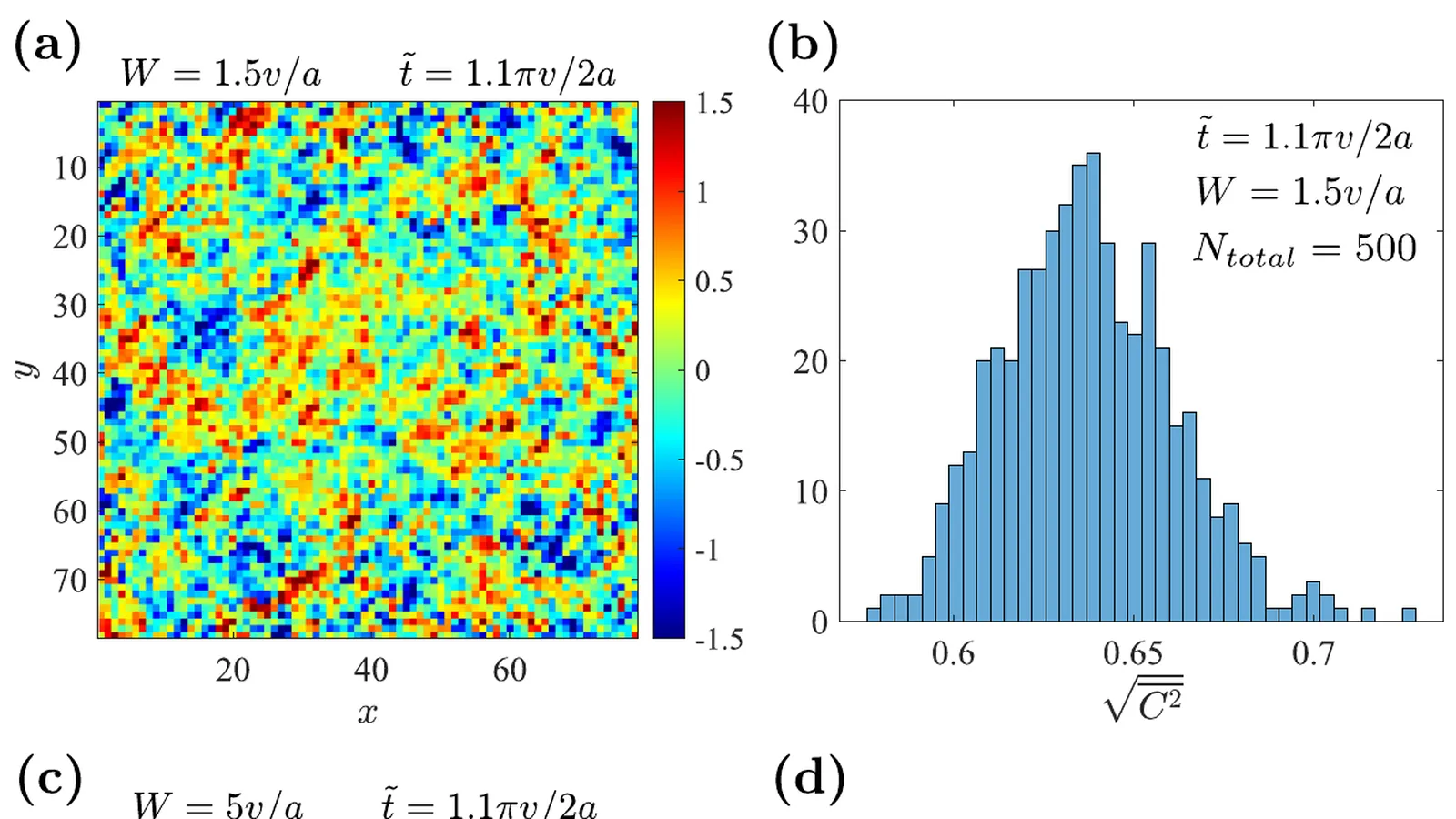
We worked with Zhi-Da Song’s group to show that topology and a magnetic crystalline symmetry preserved on average can protect a critical metal against Anderson localization. The work is published in Nature Communications.
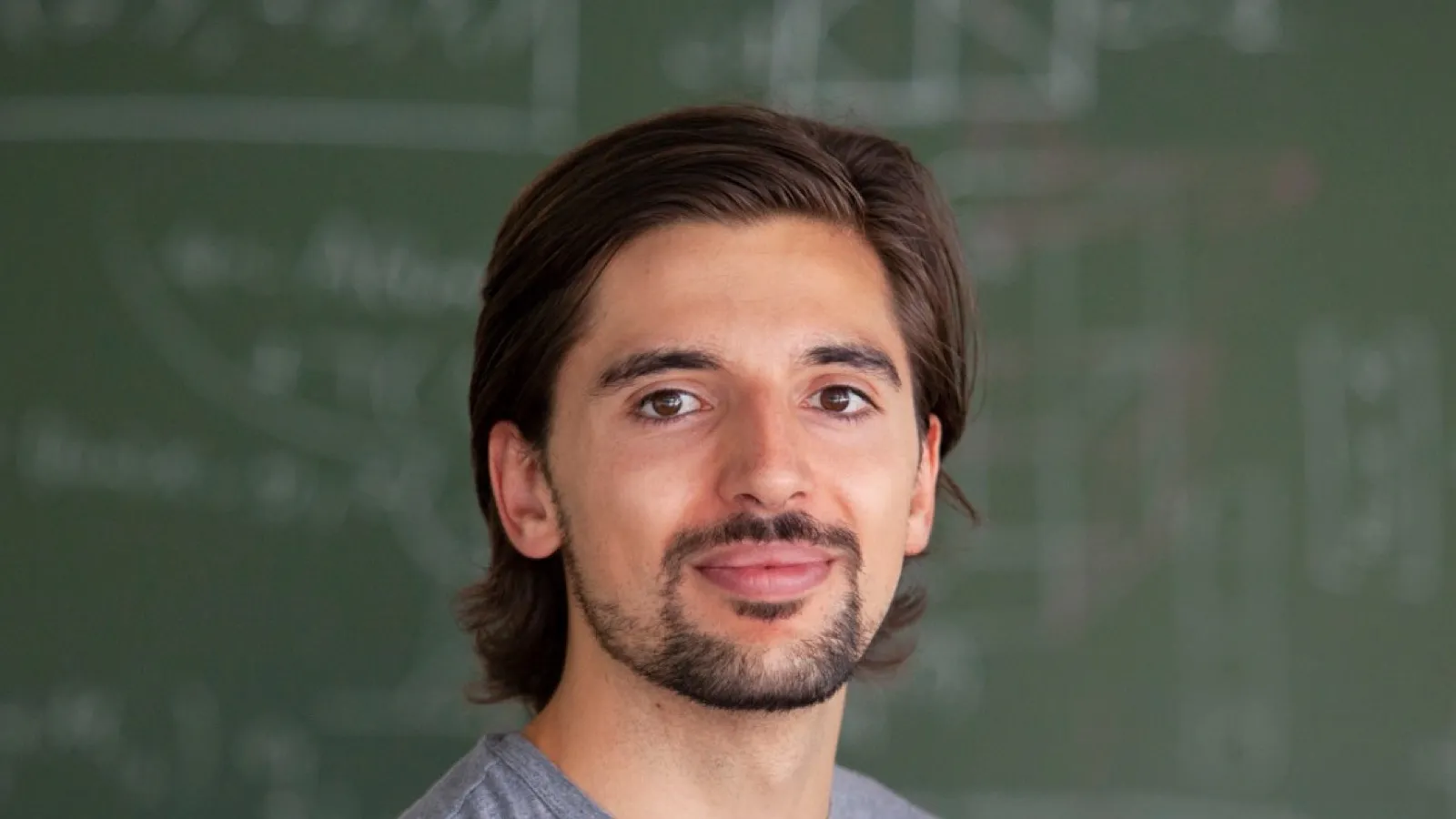
Daniel joined the group in 2024 as a postdoctoral researcher. His work studies correlations, topology, and disorder in quantum materials, with a focus on moiré heterostructures and collective response.
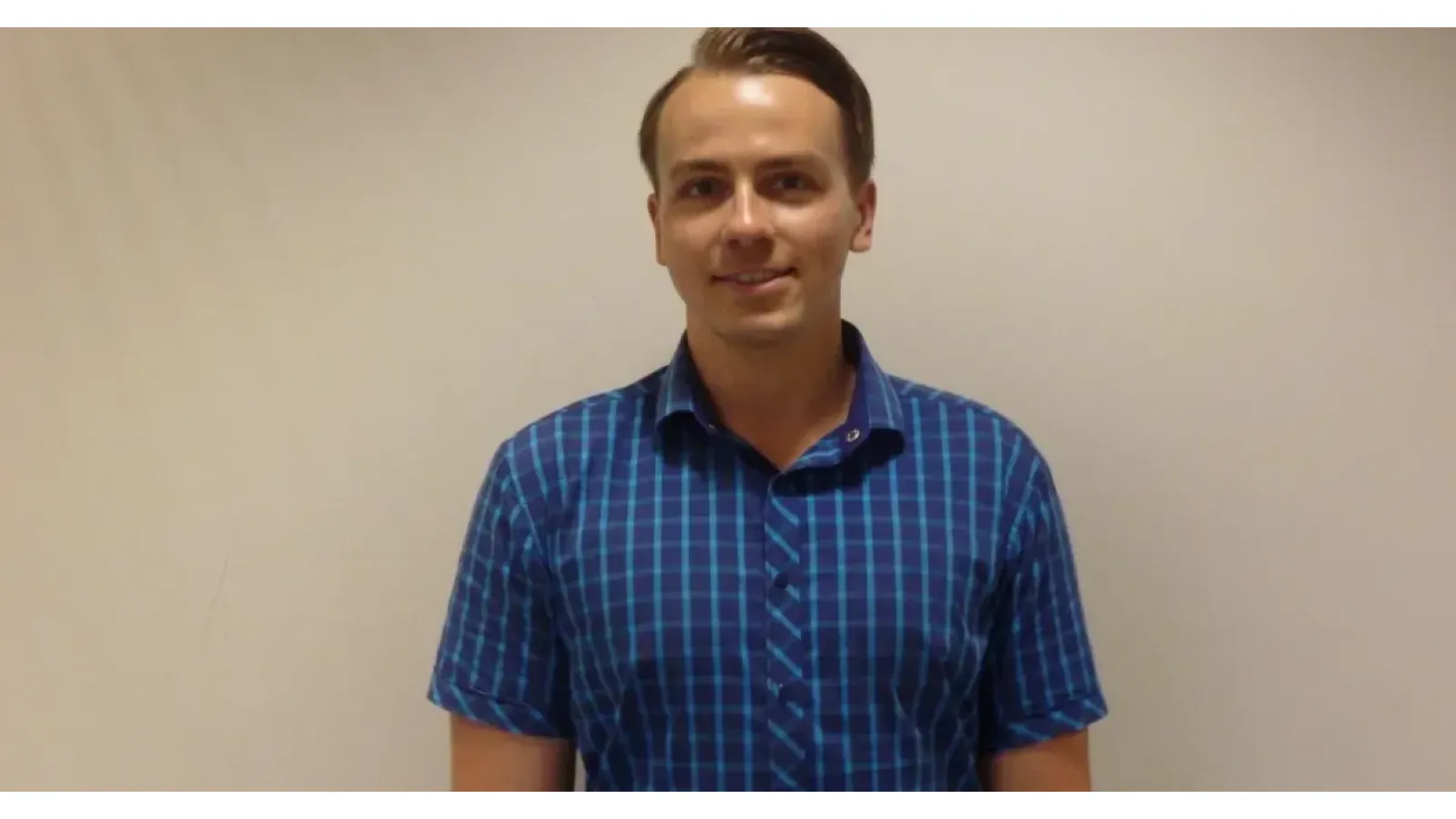
Congratulations to Ilia Komissarov, the inaugural Julian Schwinger Fellow. The fellowship supports his studies of quantum geometry in strongly correlated states of matter. See his work on the quantum-geometric origin of capacitance in insulators.
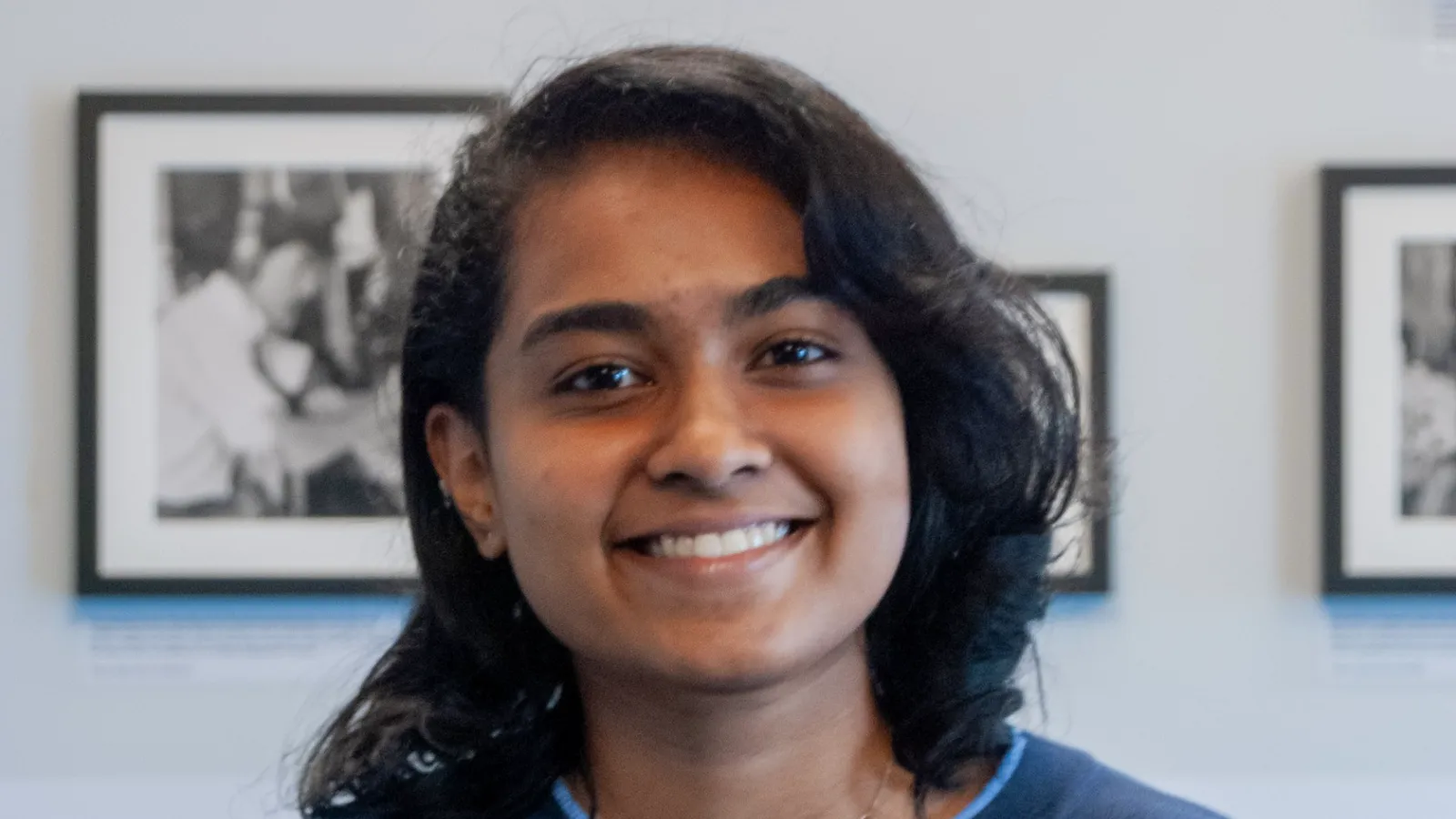
Harshitra joined the group in 2023 as a graduate student. Her research uses quantum field theory and low-energy models to study two-dimensional materials, Fermi-surface instabilities, and entanglement.
Raquel received an NSF CAREER Award for her project on the interplay of crystalline topology and quantum geometry in electronic materials.