Raquel received a 2025 Sloan Research Fellowship, which recognizes early-career scientists for exceptional promise.
Read the announcements from Columbia News and Columbia Physics.
Srijan joined the group as an undergraduate researcher. He works on band topology, quantum geometry, correlated quantum Hall response, and models of bismuth surfaces.
Carolina joined the group as a visiting PhD student from Tel Aviv University, co-advised with Roni Ilan. She studies coherent states, quantum geometry, and interacting topological bands.
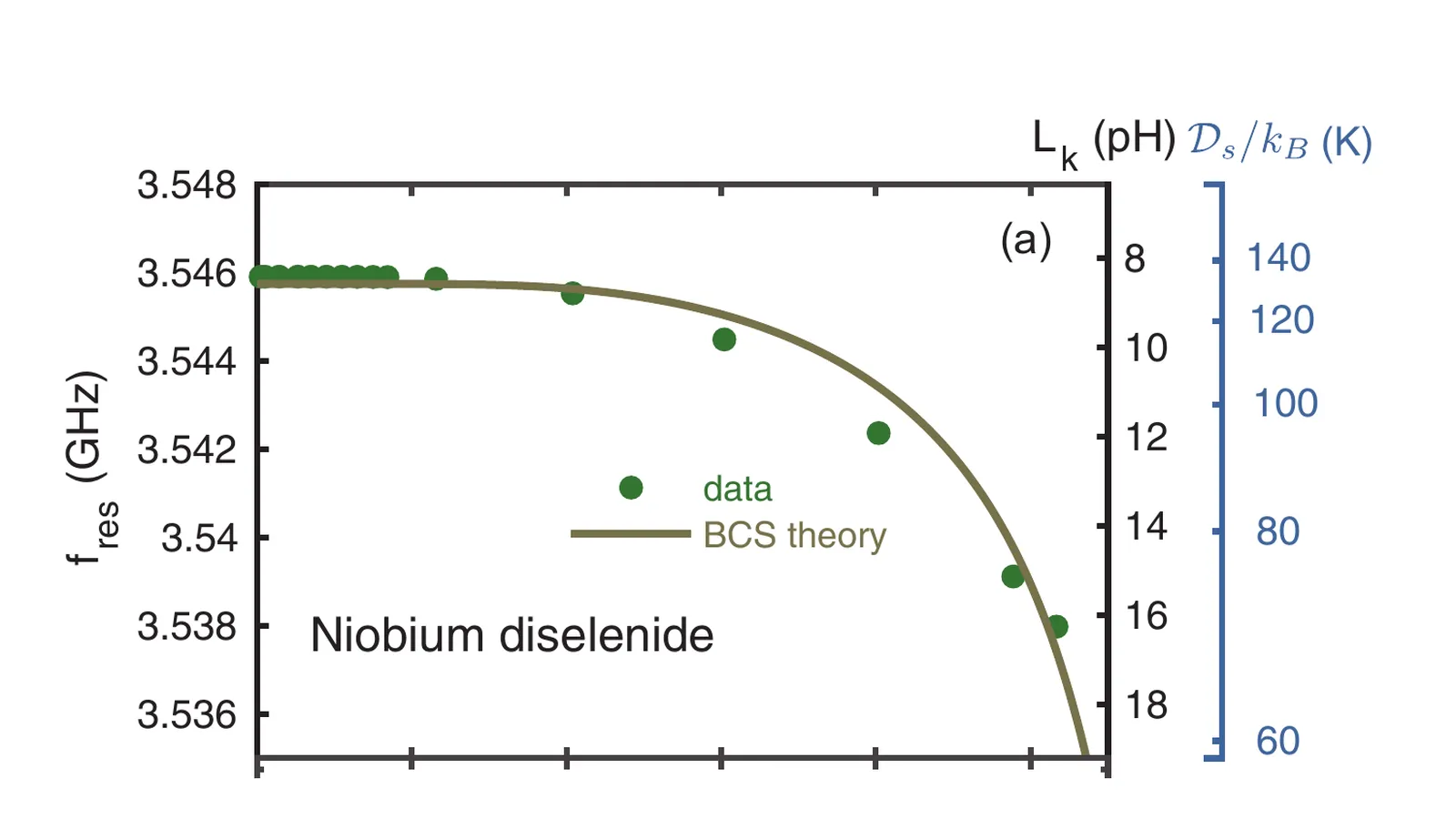
We worked with Kin Chung Fong’s group to demonstrate how high-quality transmission-line resonators measure kinetic inductance and superfluid stiffness in two-dimensional superconductors. The work is published in Physical Review Research.
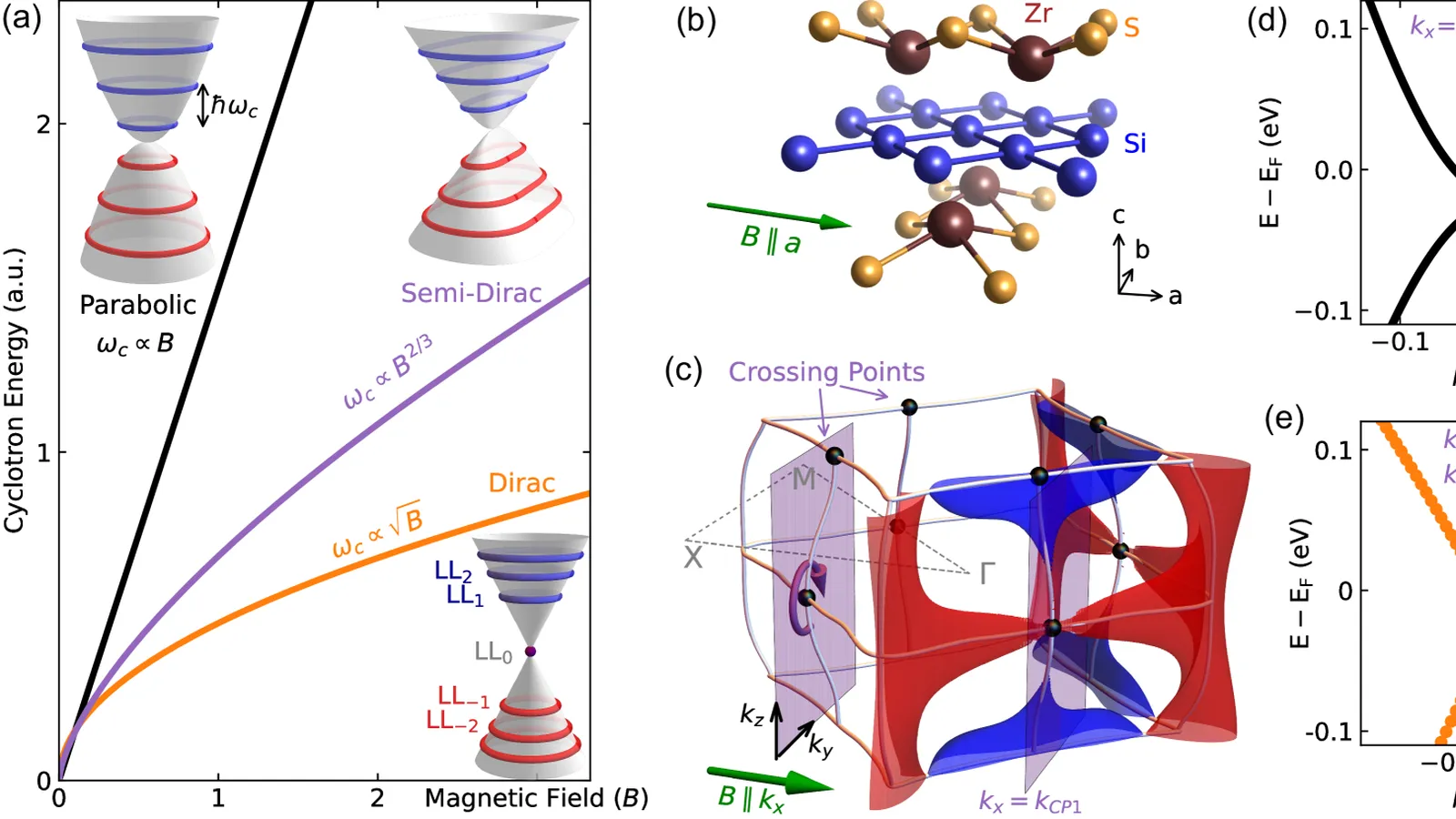
We worked with the Basov Laboratory to identify semi-Dirac fermions in ZrSiS through their characteristic magnetic-field scaling. The work is published in Physical Review X.
A recorded talk from the PCTS workshop “New Twists of Quantum Geometry” on how linear response reveals the geometry of quantum states.
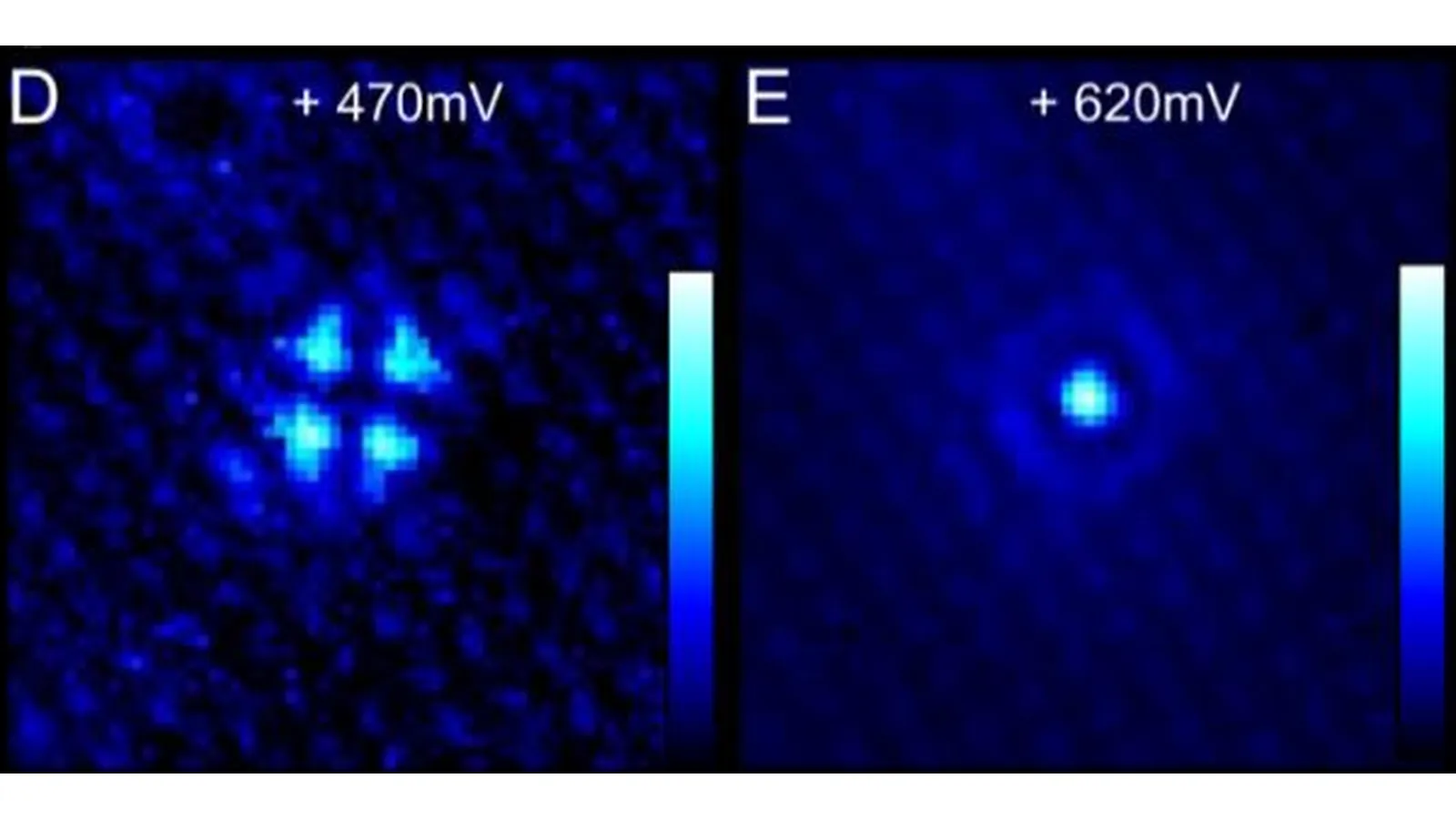
We worked with the Pasupathy Research Group and the Roy Research Group to identify electronic bound states embedded inside the metallic continuum of Pd5AlI2. The preprint is available on arXiv.
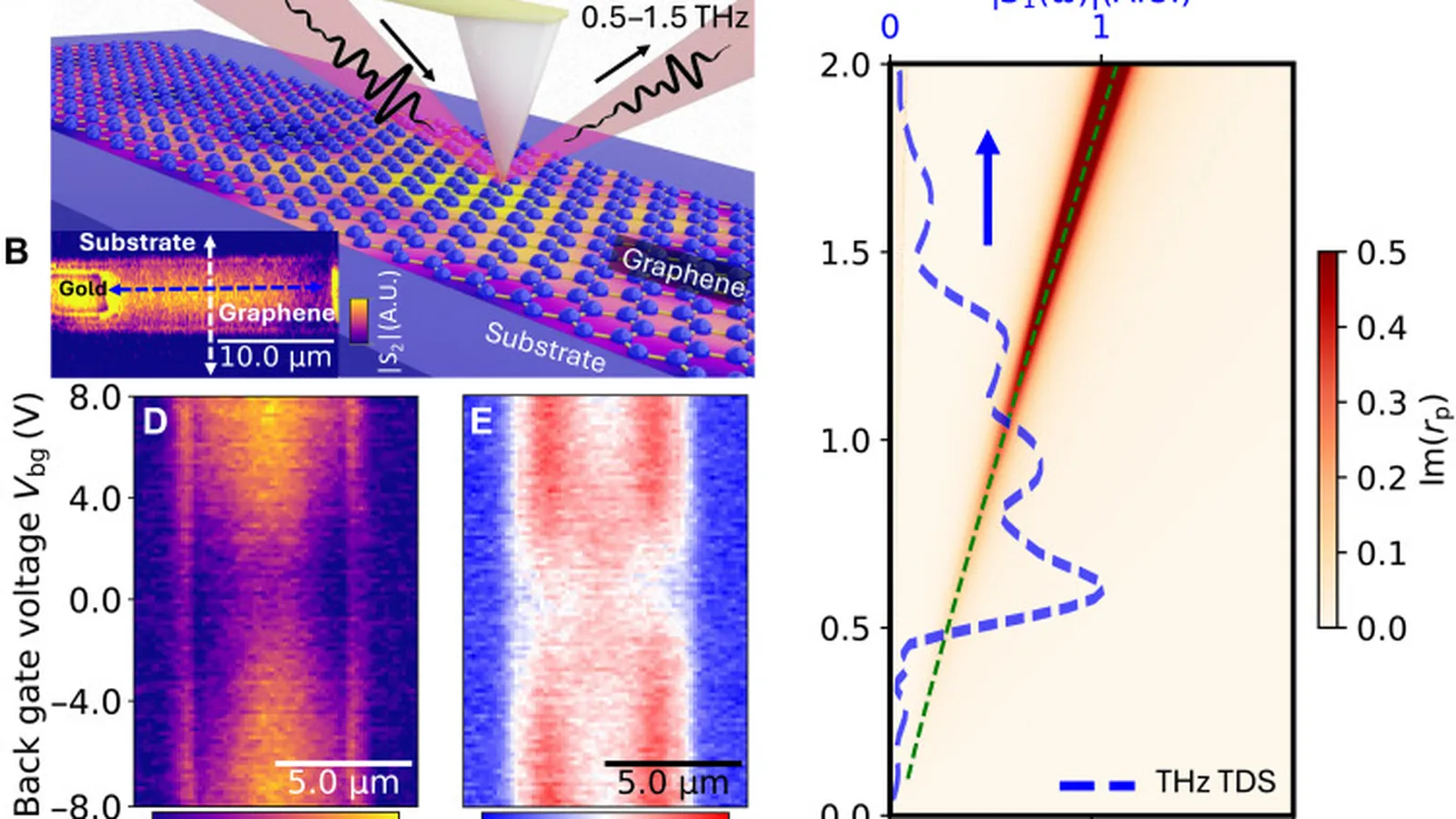
We worked with the Basov Laboratory to use nano-terahertz spacetime interference to visualize interaction effects in graphene’s Dirac fluid. The work is published in Science Advances.
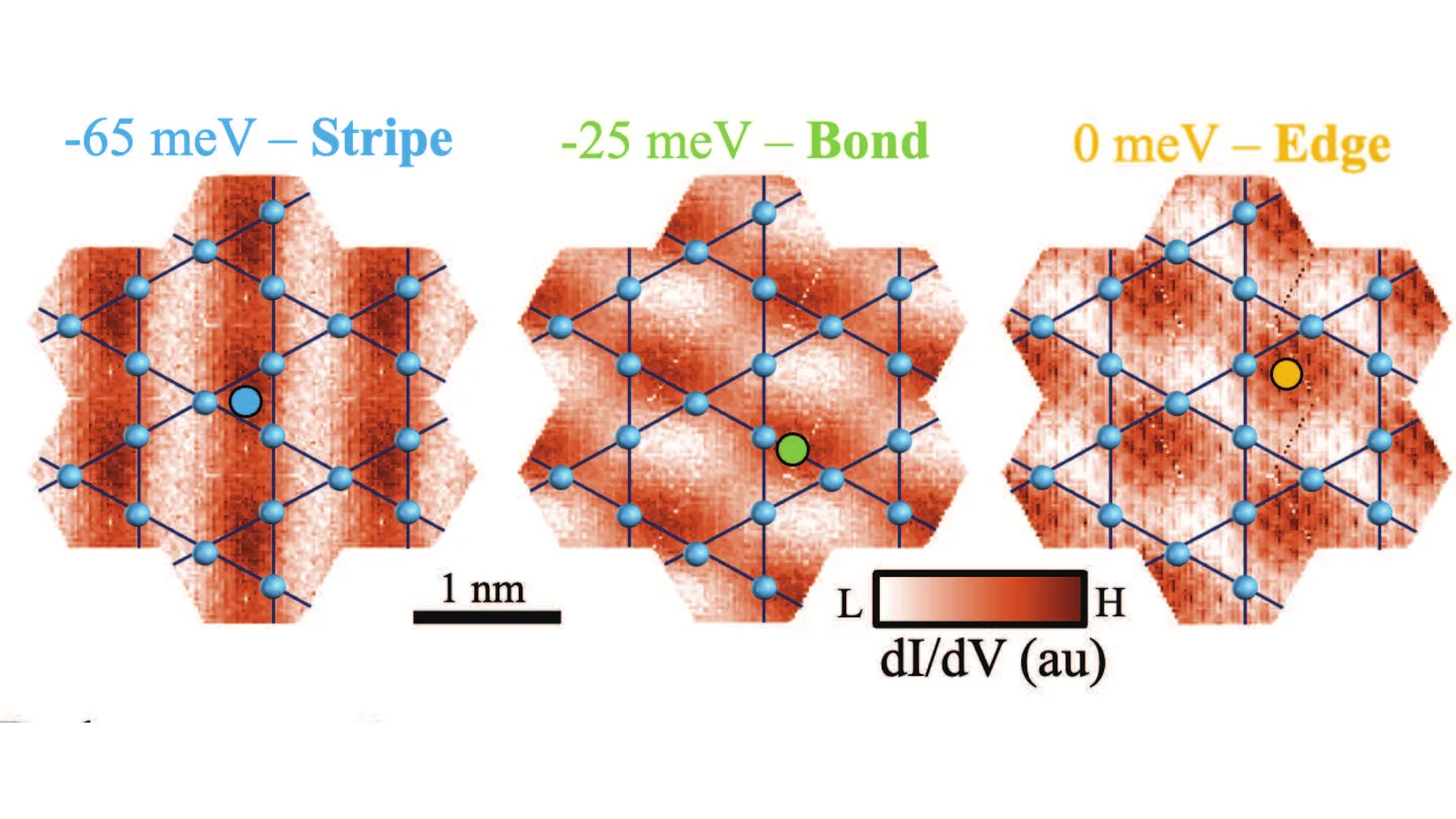
We worked with Haim Beidenkopf’s WASP lab to show how a higher-order van Hove singularity can drive a Pomeranchuk instability on the distorted kagome surface of Co3Sn2S2. The preprint is available on arXiv.
Nishchhal Verma explains how instantaneous response and conductivity sum rules reveal quantum-geometric information in correlated and flat-band systems. Watch the KITP recording.
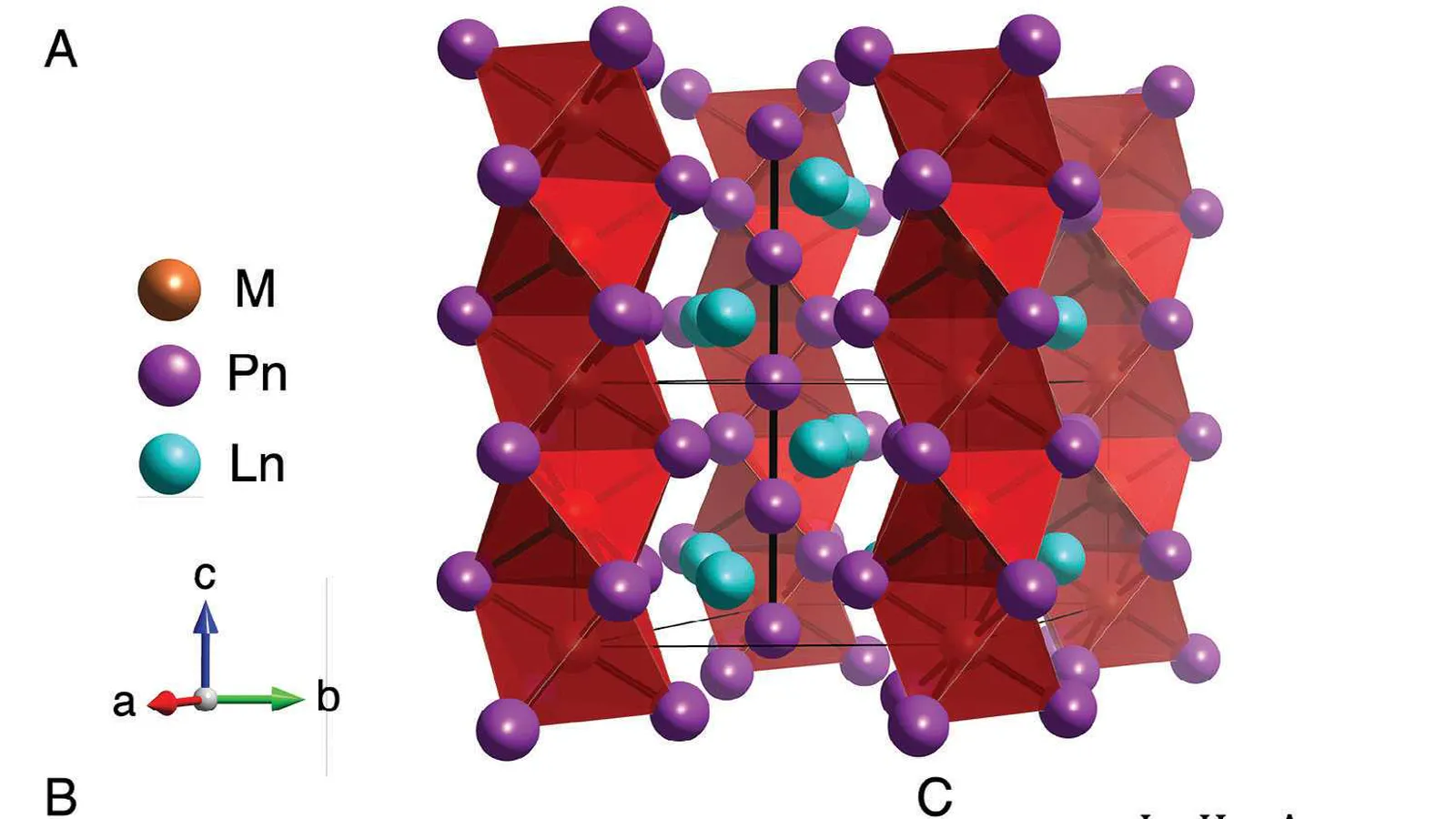
We worked with Leslie Schoop’s group to show that spin-orbit coupling reshapes the Fermi surface of Sm3ZrBi5 and produces quasi-one-dimensional transport in a three-dimensional crystal. The work is published in Advanced Materials.
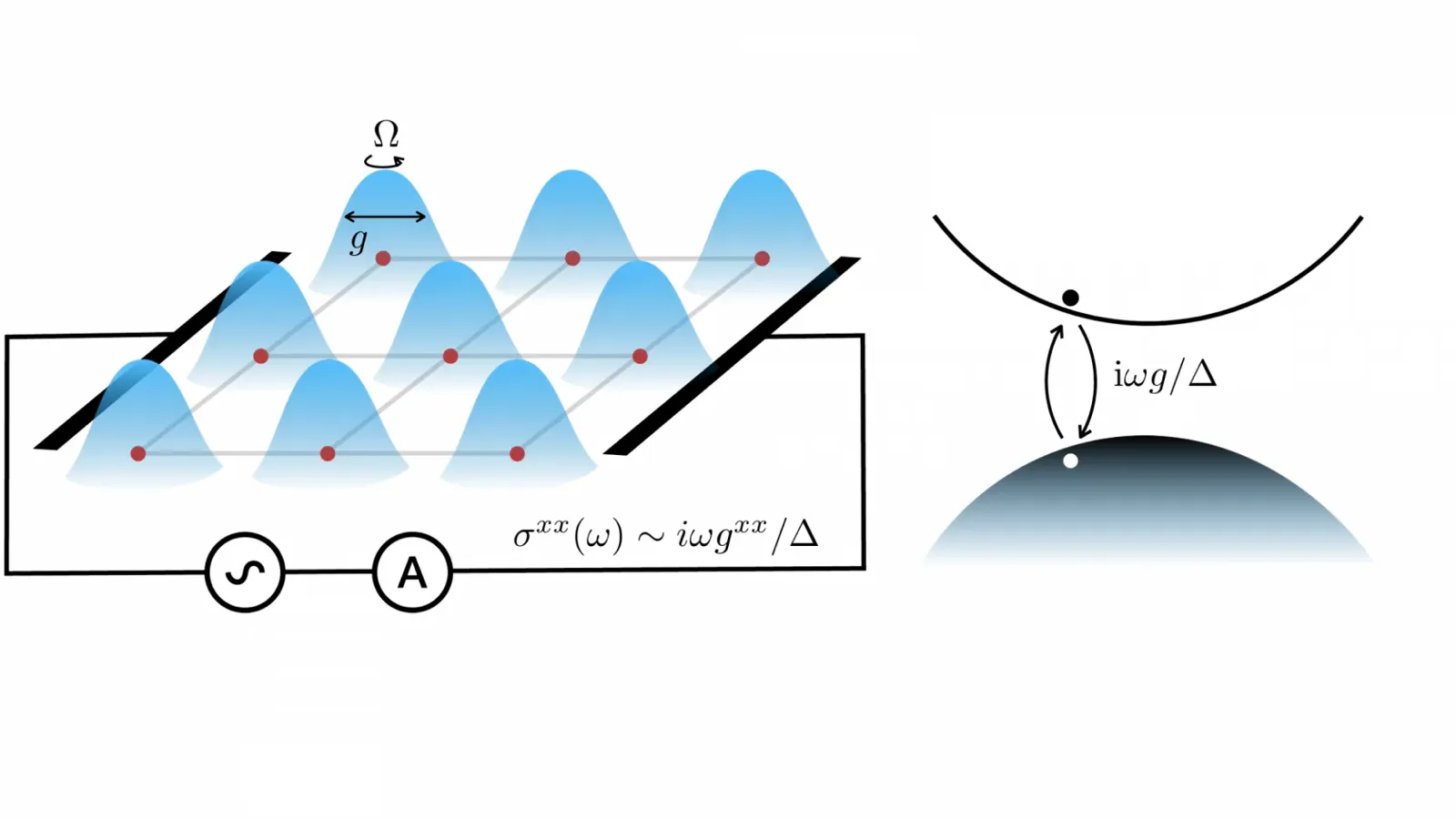
Ilia, working with Tobias Holder, showed that quantum geometry controls the intrinsic capacitance of insulators. Read the Columbia Quantum article about the work, published in Nature Communications.